
Many people seek gifts that truly show care and attention, rather than something generic from a store. DIY gifts are often the best way to achieve this because they can be customised to reflect the recipient’s personality and interests.
The key to a personal and thoughtful gift lies in the effort and intention behind it, which DIY projects naturally provide. By creating something by hand, the giver can include elements that resonate with the recipient, making the gift meaningful beyond its material value.
This post explores practical ideas for DIY gifts that are straightforward to make yet rich in personal touch. It is designed to inspire anyone who wants their gift to stand out as unique and sincere.
Making DIY Gifts Personal and Meaningful
Creating homemade gifts requires attention to detail and an understanding of the recipient’s preferences. The value lies in thoughtful choices, tailored ideas, and careful personalisation that reflect genuine care.
Understanding the Importance of Thoughtful Gifting
Thoughtful gifting centres on the effort and intent behind a present, rather than its price or size. When someone takes the time to craft or select a gift based on individual interests, it shows respect and understanding of their personality. This strengthens relationships and makes the gift memorable.
Homemade gifts particularly benefit from this approach because each piece carries the maker’s effort and creativity. The process involves considering the recipient’s hobbies, tastes, and needs. Thoughtfulness ensures the gift is not just an object, but a meaningful symbol of connection.
Choosing the Right Handmade Gift for Each Recipient
Selecting the perfect homemade gift begins with observing the recipient’s lifestyle and preferences. For instance, a handcrafted candle may appeal to someone who enjoys relaxation, while personalised stationery suits a writer or professional.
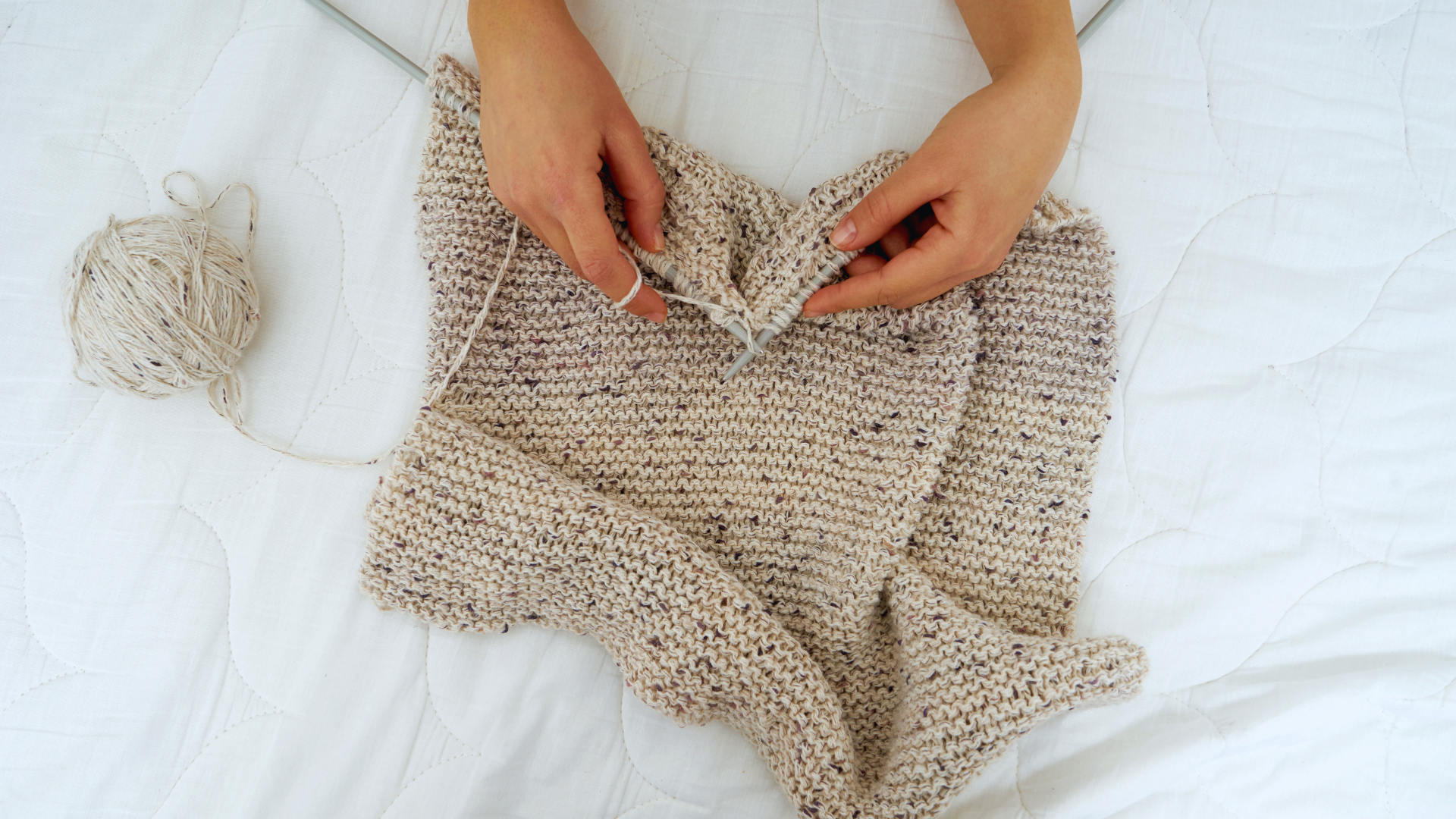
It helps to identify hobbies or interests that stand out. Practical gifts, such as knitted scarves or custom kitchen items, work well for those who appreciate functionality. Artisanal creations like painted ceramics or photo albums often speak to sentimental value.
Matching the gift’s style to the recipient enhances its appeal. Simplicity can suit minimalists, while elaborate designs fit those who value detail. Taking these factors into account leads to gifts that feel intentional and sincere.
Ways to Personalise Your DIY Creations
Personalisation transforms a homemade gift from generic to unique. Adding initials, names, or significant dates via engraving, embroidery, or painting provides a direct emotional link.
Incorporating colours or themes the recipient favours adds an extra touch. A favourite scent in homemade soap or a recipient’s preferred flavour in baked goods tailors the item further.
Including a handwritten note explaining the inspiration or story behind the gift deepens its meaning. Packaging also plays a role – using reusable bags or wrapping paper that reflects the recipient’s style shows additional care.
|
Personalisation Methods |
Examples |
|
Engraving or Embroidery |
Initials on a mug, name on a scarf |
|
Themed Colours or Patterns |
Favourite colours in candles or fabrics |
|
Sensory Details |
Specific scents, flavours, or textures |
|
Personal Messages or Notes |
Handwritten cards or tags |
These small details make homemade gifts distinctly personal and more appreciated by recipients.
Creative DIY Pampering Presents
Creating personal pampering gifts involves choosing ingredients that soothe and nourish. These gifts focus on wellness and sensory pleasure using bath bombs, essential oils, lip balms, and Epsom salts to deliver calm and comfort.
How to Make DIY Bath Bombs
DIY bath bombs require baking soda, citric acid, corn starch, and Epsom salt as base ingredients. Mixing these dry components with oils like coconut or sweet almond and water creates the fizzy effect.
Add essential oils such as lavender or eucalyptus for scent and skin benefits. Colour can be introduced through natural powders or mica-based colourants.
Press the mixture firmly into moulds and allow them to dry for 24-48 hours. Proper drying prevents crumbling and ensures a lasting fizz in the bath.
Blending Essential Oils for Gifts
Essential oils offer both fragrance and therapeutic properties. Popular blends combine lavender for relaxation, peppermint for invigoration, and tea tree for antibacterial effects.
Use a carrier oil like jojoba or sweet almond to prevent skin irritation. Blend essential oils in a 1-3% dilution for topical use to ensure safety.
Present blends in small amber glass bottles to protect the oils from light. Label with the oil types and recommended uses to guide the recipient.
Crafting Homemade Lip Balm
Homemade lip balm starts with a base of beeswax, shea butter, and coconut oil. These ingredients moisturise and protect lips effectively.
Melt the base gently and add essential oils such as peppermint or vanilla for fragrance. Natural colourants like beetroot powder can add subtle tints.
Pour the mixture into small tins or tubes. Allow it to cool and solidify; the balm should have a smooth, firm texture that spreads easily.
Assembling Epsom Salt Soaks
Epsom salts can be enhanced with dried flowers, essential oils, and baking soda for a soothing soak. The salts help relax muscles and exfoliate skin gently.
Combine 2 cups of Epsom salt with 1/2 cup baking soda and 10-15 drops of essential oil. Dried lavender or rose petals add a decorative and aromatic touch.
Package the mixture in clear jars with labels describing the contents and usage instructions. These soaks provide a simple way to relieve tension and promote relaxation.
Crafting Home Decor and Keepsakes
Creating gifts that combine usefulness with personal touches adds value to the final product. Home decor items and keepsakes made with simple materials can feel carefully tailored to the recipient’s taste and preferences.
Designing Scented Candles in Mason Jars
Making scented candles in mason jars requires selecting quality wax, wicks, and fragrances suited to the intended atmosphere. Soy wax is popular for its clean burn and easy melting point.
The process begins by melting the wax and carefully mixing in essential oils or fragrance oils at the correct temperature to ensure scent strength without combustion issues.
Pouring the wax gently into the mason jar, with a centred wick secured to prevent drifting, is essential for an even burn. Labels or personalised tags on the jar add a thoughtful finish.
Decorative Mason Jar Gift Ideas
Mason jars can be transformed into versatile gifts through decoration and repurposing. Painting, decoupaging, or wrapping the jars with ribbons and twine creates visually appealing, customised containers.
Other ideas include filling jars with layered dry ingredients for baking, handmade bath salts, or fairy lights for subtle lighting effects. Including a recipe or usage instructions enhances the gift’s practicality.
The key is combining creativity with functionality that suits the recipient’s interests or home style, using simple craft materials and attention to detail.
Personalised Photo Memories with Washi Tape
Using washi tape to frame or decorate photos creates lightweight, removable, and attractive keepsakes. Washi tape comes in various colours and patterns, allowing for matching to any decor or theme.
Photos can be mounted on a card or within frames using washi tape instead of glue or tape that may damage the picture. Borders, shapes, or even intricate designs can be made by layering or cutting the tape.
This approach offers a low-cost, flexible way to personalise memories without professional printing, making it ideal for gifts showing effort and affection.
Handmade Jewellery and Finishing Touches
Creating jewellery by hand adds a unique and thoughtful element to a gift. It requires a mix of creativity and technique, especially when working with beads and wire. Small details in design and presentation can elevate the piece and show genuine care.
Beaded Bracelets and Accessories
Beaded bracelets are accessible for beginners and allow for a wide range of styles. Using materials like glass, wooden, or gemstone beads offers different textures and colours to suit the recipient’s taste. Elastic beading cord makes the process simpler and creates stretchable, comfortable bracelets.
Choosing bead sizes and patterns thoughtfully ensures the piece is balanced and visually appealing. Adding small charm pendants can personalise the accessory further. Secure knots and clear glue finishes keep the bracelet durable for daily wear.
Wire-Wrapped Jewellery Designs
Wire wrapping is a versatile technique that can create intricate or minimalist jewellery. Using wire gauges around 20-24 offers flexibility without losing strength. Silver or copper wire is are popular choice, each providing a distinct look.
Techniques like spirals, loops, and frames allow for secure settings of stones or beads without soldering. A good pair of round-nose and chain-nose pliers is essential for shaping and finishing. Wire-wrapped pendants and rings can feel especially personal when shaped into meaningful symbols or initials.
Adding the Final Flair to Gifts
Finishing touches can have a strong impact on the overall presentation. Wrapping jewellery in handmade paper or small fabric pouches adds texture and care. Attaching a handwritten tag with the recipient’s name or a brief message adds character.
Small embellishments like beads on the packaging or ribbon tied in neat bows create visual interest. For durability and polish, jewellery can be lightly polished with a cloth to remove fingerprints and faint tarnishes before gifting. These details reflect the effort and thought behind the handmade piece.
Leave a Reply