

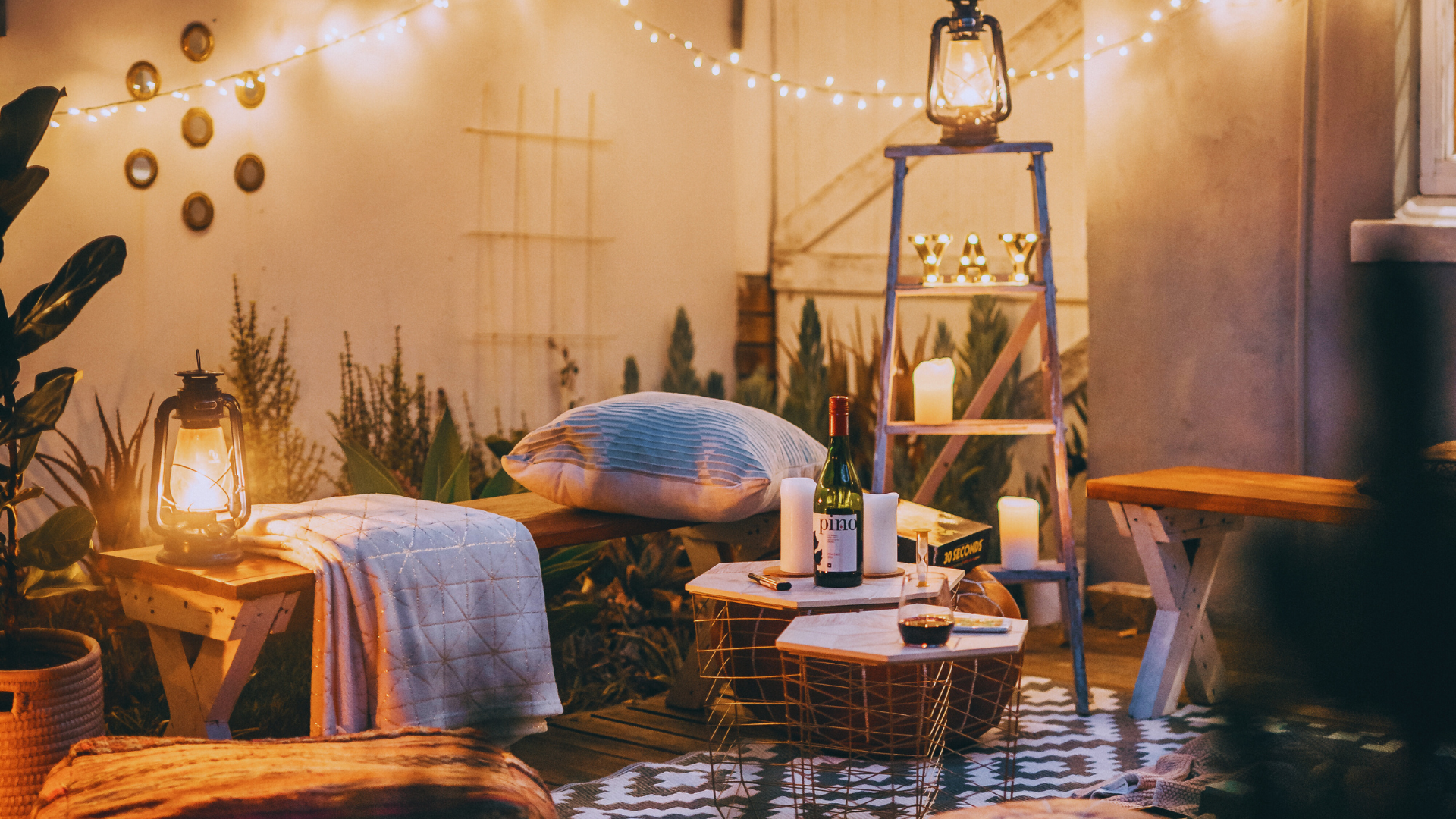
Creating an outdoor space that aligns with one’s lifestyle can significantly enhance daily living and leisure experiences. To achieve this, one must consider personal preferences, daily routines, and the desired level of connection with nature. Thoughtful outdoor living space design incorporates elements such as seating, utility areas, and greenery, allowing individuals to tailor environments that foster enjoyment and relaxation.
Sustainable outdoor living ideas, like using native plants or repurposing materials, can not only beautify a space but also contribute to a healthier ecosystem. This approach highlights the importance of integrating outdoor spaces with one’s lifestyle, ensuring that the area is practical and inviting. By establishing an outdoor space that reflects personal values and routines, they can create a sanctuary that encourages both activity and tranquillity.
Understanding Your Outdoor Space
Assessing an outdoor area effectively involves identifying functional needs and considering environmental factors. Evaluating both will help create a space that enhances lifestyle and offers comfort.
Assessing the Space and Functional Needs
A careful assessment of the outdoor area is essential. Begin by measuring the total size to determine how much space is available for various activities.
Consider the intended uses: gardening, dining, entertaining, or relaxing. Functional needs will guide the layout and choice of furniture.
For example, an area for dining may require weather-resistant materials like teak or aluminium, ensuring durability. Incorporating storage solutions can keep the space tidy and functional.
Equally important is the flow of movement. Arranging furniture in a way that allows for easy access and natural interaction can make the area feel more open and practical.
With these considerations in mind, it is also worth noting that some design changes may require structural adjustments. In certain cases, pathways may need to be modified, driveways upgraded, or other types of garden groundwork completed to support the new layout.
In such scenarios, hiring experienced professionals can be a smart choice. Experts from reputable companies like R&C Groundworks could carry out these changes safely and efficiently, without damaging the property or disrupting existing systems. Ultimately, this ensures the outdoor space remains both functional and visually appealing.
Considering Weather and Climate
The local climate heavily influences the design of an outdoor space. Understanding typical weather patterns will dictate material choices and layout.
For instance, in regions with high rainfall, selecting weather-resistant materials, such as treated wood or composite decking, is crucial. These materials endure exposure without deteriorating.
Shade and shelter become important in hot climates to reduce heat and sun exposure. Options like pergolas or retractable awnings can enhance comfort during warmer months.
Furthermore, incorporating plants that thrive in the local climate not only beautifies the space but also ensures sustainability. Knowing when and how to protect plants from extreme weather is vital for maintaining a healthy garden.
Design Elements and Features
Creating an inviting outdoor space involves a thoughtful selection of design elements and features. Key considerations include integrating natural landscaping, choosing appropriate outdoor furniture, and establishing focal points through water features or fire pits.
Incorporating Natural Elements and Landscaping
Incorporating natural elements can enhance the aesthetic and functionality of an outdoor area. Plants, trees, and flowers not only add beauty but also create a habitat for wildlife. For homeowners, selecting the right turf is as important as choosing plants—many prefer St. Augustine for its shade tolerance and durability. For example, professional services for St Augustine sod replacement in Tampa (or elsewhere) can ensure proper installation, drainage, and irrigation tailored to the local climate, helping lawns establish quickly and remain lush. Additionally, a mix of perennial and annual flowers provides seasonal interest.
Landscaping can include pathways made of stone or gravel, guiding visitors through the space. Native plants are often recommended as they require less maintenance and are more resilient.
Using mulch and decorative stones can enhance visual appeal while suppressing weeds. Integrating features like raised beds or vertical gardens can maximise space and make gardening easier.
Selecting Outdoor Furniture and Decor
Choosing suitable outdoor furniture is essential for comfort and style. Materials like teak, aluminium, or weather-resistant wicker provide durability. It’s important to consider the size of seating areas to ensure they accommodate the intended number of users.
Coordinating the colour scheme of furniture with decorative elements, such as cushions or rugs, can unite the look. Shade structures, like umbrellas or pergolas, add comfort and protection against the elements.
Additional decor items, such as lanterns or outdoor art, can personalise the space. It is advisable to consider multifunctional pieces, such as benches with storage, to optimise practicality.
Creating Focal Points with Water Features and Fire Pits
Focal points draw attention and enhance outdoor enjoyment. Water features, such as fountains or ponds, introduce soothing sounds and create a serene atmosphere. The placement of these elements can encourage relaxation.
Fire pits provide warmth and a gathering spot for social interaction. They come in various styles, from traditional wood-burning to contemporary gas options. For a clean burning alternative, homeowners can partner with a provider like Sea Breeze LP, or similar firms to manage their fuel requirements. Using professional services for tank maintenance and refills can ensure that these outdoor focal points remain functional and ready for use at a moment’s notice. Moreover, seating arrangements around a fire pit can promote intimacy and enhance outdoor living.
Incorporating both water features and fire pits can provide contrast and balance. Accessories like decorative stones or flickering lights can elevate these focal points, making them visually striking and inviting.
Outdoor Living Areas
Creating an outdoor living area involves thoughtful planning that caters to various activities such as dining, cooking, relaxation, and play. This will enhance the overall usability and enjoyment of the space.
Establishing Dining and Cooking Spaces
Designing an outdoor dining area begins with selecting a suitable location that receives adequate sunlight while offering some shade. This could involve a table and chairs positioned near a built-in or portable grilling area. Choosing materials like weather-resistant wood or metal will ensure durability.
Incorporating an outdoor kitchen enhances functionality. This includes features such as a sink, countertop, and storage for utensils. Lighting is essential; consider string lights or lanterns to create ambiance during evening meals. Additional seating areas can accommodate guests and encourage social interaction, making the space more inviting.
Setting Up Zones for Relaxation and Activities
Creating distinct zones for relaxation and play improves the outdoor space’s versatility. A shaded seating area with comfortable chairs and cushions serves as a perfect spot for reading or socialising. Consider using a pergola to provide structure and additional shelter.
For families with children, a designated play area can incorporate elements like a sandbox or climbing frame. This encourages outdoor play and keeps kids engaged. Incorporating landscaping elements like flower beds or shrubs around these zones can enhance the aesthetic appeal while providing natural barriers between different activity areas, fostering a harmonious outdoor environment.
Personalising Your Outdoor Living Space
Creating a personalised outdoor space requires a consideration of individual needs and preferences. Personal touches can transform a generic area into a unique retreat.
Curb Appeal is essential. Simple additions such as potted plants, decorative stones, or a fresh coat of paint on fences can enhance aesthetic appeal. These details reflect personal style and make a statement.
Incorporating sustainable practices is increasingly popular. They can include using native plants, rainwater harvesting systems, or solar-powered lighting, which also aligns with eco-friendly values.
Building on the idea of sustainable practices, many homeowners seek expert guidance to transform their outdoor areas into truly organic and environmentally-friendly havens. Professional landscape designers can offer comprehensive solutions, from initial concept to installation and ongoing maintenance, ensuring that native plants thrive and water management systems are efficient. For those in the Cincinnati area looking to create such a personalized and sustainable outdoor environment, services like those offered by Marvin’s Organic Gardens specialize in integrating natural themes, edible gardens, and wildlife habitats. Their expertise helps homeowners achieve beautiful, functional spaces that also contribute positively to the local ecosystem. This holistic approach ensures long-term beauty and ecological balance.
Shade and privacy are important for comfort. Structures like pergolas or strategically placed trees can provide the necessary cover. This ensures the space can be enjoyed throughout the day without harsh sunlight.
Effective storage solutions enhance functionality. Benches with hidden compartments or stylish outdoor cabinets help keep the space tidy and organised. This approach maintains a clean look while accommodating outdoor essentials.
Outdoor lighting sets the mood. String lights, lanterns, or subtle garden lights improve usability during evenings and showcase features when darkness falls. Selecting the right lighting style reflects personal taste.
Finally, outdoor decor like cushions, rugs, and art can add colour and character. These elements allow for easy updates, helping the space evolve with personal style trends. Mixing textures and patterns creates a welcoming atmosphere, inviting relaxation and enjoyment.
Leave a Reply