

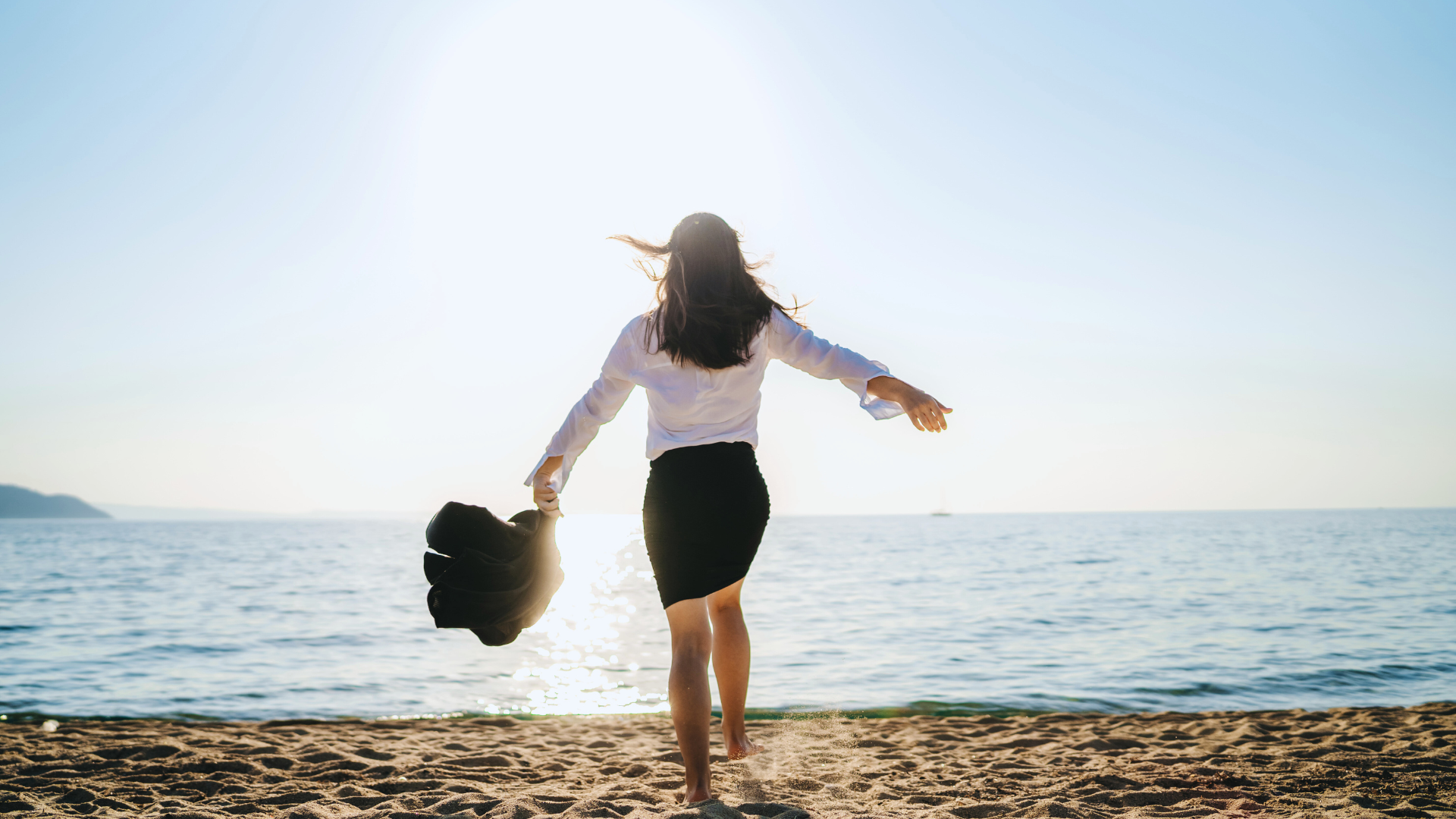
In today’s fast-paced world, finding effective ways to unwind and relax is essential for maintaining good mental health. Embracing self-care practices such as mindfulness, meditation, and physical activities can significantly reduce stress and promote a sense of calm. These activities not only serve as a break from daily pressures but also enhance resilience in the face of life’s challenges.
Various techniques can be tailored to individual preferences, making relaxation accessible to everyone. Simple practices like deep breathing exercises or a leisurely walk in nature can provide immediate stress relief. Incorporating these habits into a daily routine can lead to long-term benefits for both mind and body.
As the importance of mental well-being becomes increasingly recognised, prioritising time to unwind is no longer a luxury but a necessity. With the right strategies, individuals can cultivate a more balanced and fulfilling lifestyle.
Understanding Relaxation and Its Benefits
Relaxation plays a crucial role in managing stress and enhancing mental health. Engaging in effective unwinding techniques can lead to significant improvements in well-being and mental clarity.
The Science of Stress Reduction
Stress activates the body’s fight-or-flight response, which increases heart rate and releases hormones like cortisol. This physiological reaction can lead to various health issues if it continues unchecked.
Research shows that consistent relaxation practices can reduce these stress levels, promoting calm and stability. Techniques such as deep breathing, meditation, and yoga stimulate the parasympathetic nervous system, which governs the body’s relaxation response.
Regularly allowing oneself to relax can lead to a decrease in anxiety and improved overall health. Engaging in these practices enhances mental resilience, enabling individuals to cope better with life’s challenges.
Mental Health and Wellbeing
Mental health is closely linked to how relaxed and at ease a person feels. Chronic stress can contribute to disorders like anxiety and depression. In contrast, incorporating relaxation methods can elevate mood and enhance mental clarity.
Activities such as mindfulness meditation and nature walks can significantly boost emotional resilience. They also promote a sense of connection and belonging, which is vital for well-being.
Moreover, unwinding allows the brain to process information, leading to better decision-making and problem-solving skills. By prioritising relaxation, individuals can achieve a more balanced and fulfilled life, ultimately fostering greater mental health.
Physical Activities to Foster Relaxation
Engaging in physical activities promotes relaxation through movement and fresh air. Whether through structured exercise or leisurely outdoor pursuits, these activities can significantly enhance one’s well-being.
Engagement in Exercise
Regular exercise is essential for relieving stress. Activities such as jogging, swimming, or joining a fitness class release endorphins, also known as “feel-good” hormones.
Benefits of Exercise:
- Reduces Anxiety: Physical activity lowers levels of the body’s stress hormones.
- Boosts Mood: Exercise encourages the production of serotonin, improving emotional health.
A brisk walk for 30 minutes or a cycling session provides an effective method to decompress. Incorporating a workout routine not only improves physical fitness but also fosters mental clarity.
Outdoor Pursuits
Spending time outdoors enhances relaxation and promotes a sense of freedom. Fresh air can elevate mood and reduce feelings of stress and anxiety.
Activities such as hiking, gardening, or picnicking can be both fulfilling and calming.
Advantages of Outdoor Pursuits:
- Connection with Nature: Natural surroundings can significantly boost mood and creativity.
- Physical Benefits: Cardiovascular activities strengthen the body while enhancing emotional well-being.
Even a leisurely bike ride or a day at the park can recharge one’s mental state. The combination of exercise and nature creates a powerful antidote for stress.
Yoga and Movement
Yoga uniquely combines physical activity with mindfulness. It enhances relaxation through breath control and gentle movements.
Key Elements of Yoga:
- Flexibility and Strength: Regular practice builds physical resilience and promotes relaxation.
- Mindfulness and Focus: Yoga encourages a present mindset, reducing racing thoughts.
Incorporating dance into a regular routine can also be beneficial. It allows for self-expression while providing a workout that energises the body and calms the mind.
Choosing physical activities that resonate personally can create a profound impact on relaxation and overall well-being.
Mindfulness and Meditation Techniques
Incorporating mindfulness and meditation techniques into a daily routine offers significant benefits for relaxation and mental clarity. This section explores specific methods such as guided meditation, breathing exercises, and the integration of aromatherapy and massage for enhanced relaxation.
Exploring Meditation
Meditation encompasses a variety of practices aimed at fostering a sense of peace and presence. One popular method is guided meditation, where a facilitator leads participants through visualisation exercises or mindfulness prompts. This approach can help individuals who find it challenging to meditate alone.
Techniques can vary widely from focusing on a specific thought to simply observing one’s breath. People often experience reduced stress and improved emotional well-being through regular meditation practices. It’s beneficial to allocate daily time to sit in a quiet environment, close your eyes, and engage in meditation.
Breathing Exercises and Visualization
Breathing exercises are fundamental to relaxation and play a key role in meditation. Deep breathing can significantly lower stress by activating the body’s relaxation response. Techniques like the 4-7-8 method involve inhaling for four seconds, holding for seven, and exhaling over eight seconds.
Visualization is another effective technique that complements breathing exercises. Participants are encouraged to imagine a peaceful landscape or a calming scenario while focusing on their breath. This combination not only helps quiet the mind but also promotes a deep sense of peace and relaxation.
The Role of Aromatherapy and Massage
Aromatherapy can provide additional relaxation when combined with meditation practices. Essential oils, such as lavender or chamomile, are often used to create a calming atmosphere. Diffusing these scents during a meditation session can enhance the overall experience.
Massage also contributes to relaxation by alleviating muscle tension and promoting blood flow. Incorporating guided meditation during a massage can merge the benefits of both practices, allowing individuals to relax both body and mind deeply. Together, these methods create a holistic approach to achieving a tranquil state.
Lifestyle Approaches to Unwind
Incorporating specific lifestyle approaches into daily life can significantly enhance relaxation and promote overall well-being. These methods focus on creative activities, establishing restful rituals, and embedding relaxation practices into routines.
Creative and Leisure Activities
Engaging in creative activities can be a powerful way to unwind. Whether it’s journaling, painting, or crafting, these pursuits allow individuals to express themselves and foster a sense of accomplishment. Reading books or listening to an inspiring podcast can transport the mind away from daily stressors.
Finding time to explore new hobbies, like cooking a new recipe, offers both a creative outlet and a fulfilling experience. Riding a bike in nature or taking a walk at sunset provides physical activity along with mental refreshment. Listening to music can evoke emotions and provide a soothing backdrop for relaxation.
Rituals for a Restful Evening
Establishing a calming bedtime routine can greatly improve sleep quality. Creating an evening ritual, such as preparing a herbal tea or enjoying a glass of wine, signals the body that it’s time to unwind. Dimming the lights and limiting screen time can help prepare the mind for rest.
Activities like taking a warm bath or practising gentle stretches can alleviate physical tension. Additionally, incorporating relaxing scents through essential oils or diffusers enhances the tranquil atmosphere. Engaging in quality conversations with loved ones can create a sense of connection before sleep.
Incorporating Relaxation into Daily Routine
Integrating relaxation techniques into one’s daily routine reinforces a balanced lifestyle. Short breaks for deep breathing exercises or mindfulness moments can rejuvenate the mind amidst daily tasks. Setting aside dedicated time for creative pursuits or leisure activities fosters personalised downtime.
Incorporating activities that she enjoys into the workday, such as listening to a calming playlist or enjoying a short walk, can make a significant difference. Practising these relaxation tips consistently helps in managing daily stress and promotes a more peaceful state of mind.
Leave a Reply