

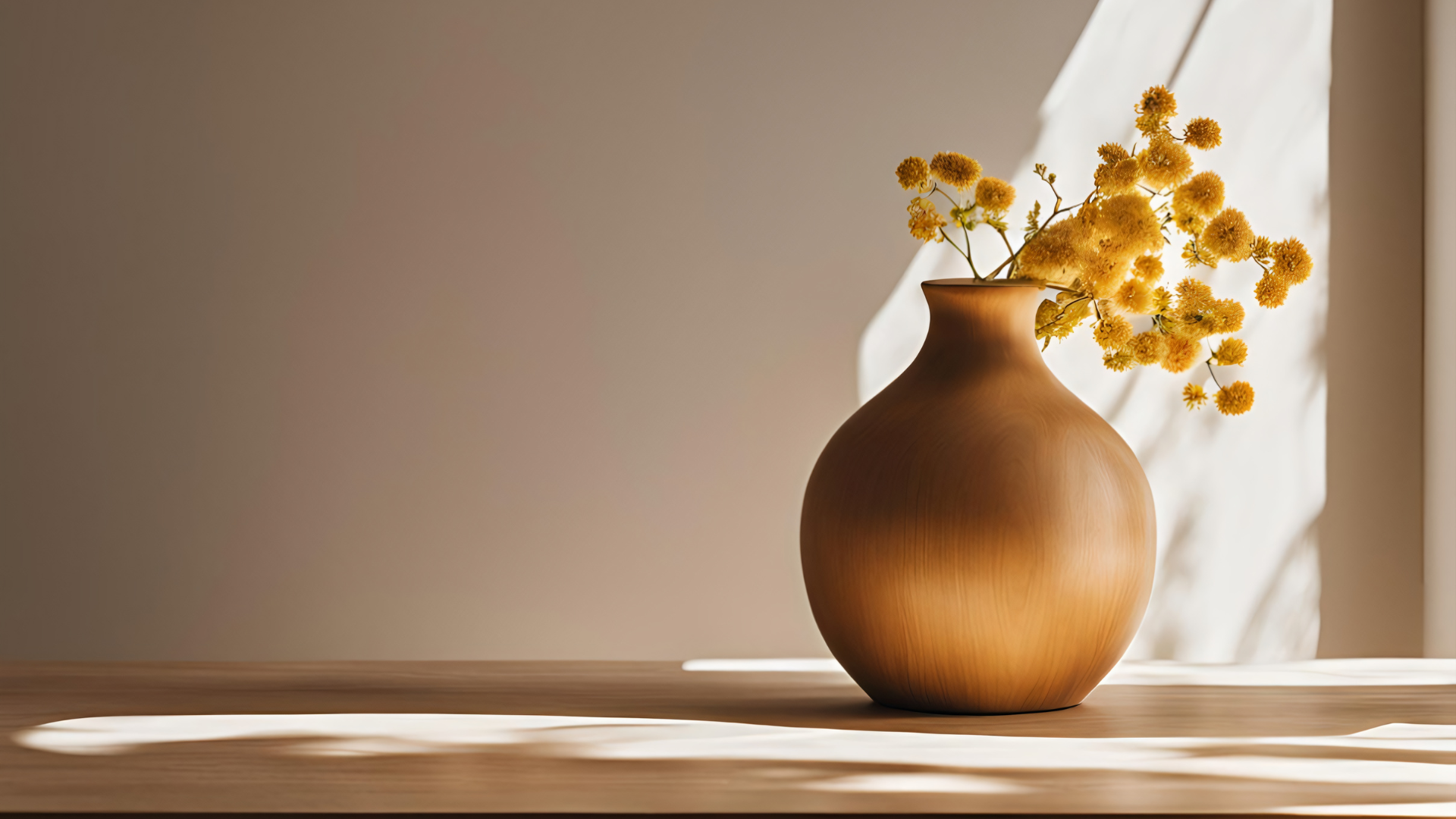
In a world increasingly filled with complexity, the principle of “less is more” stands out as a powerful guiding philosophy. Embracing simplicity can lead to greater clarity and a refined mindset, ultimately enhancing both personal and professional experiences. By stripping away the unnecessary, individuals can focus on what truly matters, fostering a deeper understanding of their goals and values.
This approach encourages people to reassess their priorities and make intentional choices that reflect their true selves. It challenges the notion that success is synonymous with accumulation, instead promoting a lifestyle that values quality over quantity. Such a mindset can be especially valuable when making major life decisions like choosing a living space, where careful planning and guidance from professionals like a Houston home builder can further help ensure choices are practical and intentional rather than overwhelming. It can also be applied to smaller, everyday decisions, such as managing personal budgets or planning daily routines, reinforcing a broader philosophy of minimalism that prioritises clarity, simplicity, and thoughtful living over unnecessary accumulation.
As they explore the journey towards simplification, they discover not only the benefits of clarity but also a renewed sense of purpose. Striving for less can pave the way for more significant achievements, deeper relationships, and a richer existence.
Historical Context and Philosophy
The concept of “less is more” has deep roots in various philosophical and artistic movements throughout history. Its significance is underscored in the work of influential figures and trends that embraced simplicity and clarity across different domains.
Origins of ‘Less Is More’
The phrase “less is more” is most commonly associated with the architect Ludwig Mies van der Rohe, who championed minimalism in the 20th century. He believed that simplicity in design could yield greater beauty and functionality. Mies sought to strip away the excess, focusing instead on essential forms and materials.
This principle aligns with earlier ideas in art and literature, where simplicity often enhances expression. Works from the 19th century, such as those by the poet Robert Browning, reflected a similar ethos, using concise language to convey complex emotions.
Minimalism Through the Ages
Minimalism can be traced back to Renaissance artists like Andrea del Sarto, who prioritised clean lines and clarity in composition. His approach to painting emphasised a focus on form and colour without unnecessary embellishment.
In the 20th century, minimalism expanded into various fields, influencing architecture, design, and art. Artists and designers embraced the philosophy to create impactful works that resonate. Through time, the idea of simplicity emerged as a profound method for achieving greater depth and meaning, transcending mere aesthetics to become a guiding principle in cultural and artistic expressions.
Psychological Benefits of Minimalism
Embracing minimalism can lead to significant psychological advantages. By reducing clutter and distractions, individuals often experience improved mental clarity, enhanced self-esteem, and decreased anxiety levels.
Enhancing Mental Clarity
Minimalism creates a streamlined environment that fosters focused thinking. With fewer possessions and distractions, individuals can direct their energy toward what truly matters. This clarity allows for better decision-making and enhanced creativity.
The practice of minimalism encourages individuals to evaluate their priorities. With a focus on essentials, unnecessary mental clutter is eliminated. As a result, personal and professional tasks become more manageable, leading to a heightened sense of control and productivity.
Boosting Self-Esteem and Happiness
When individuals adopt a minimalist lifestyle, they often experience an increase in self-esteem. By choosing to surround themselves with only meaningful possessions or relationships, they reinforce their values and identity. This alignment fosters a deeper sense of happiness.
Minimalism can lead to greater satisfaction with life as individuals appreciate what they have rather than longing for more. By prioritising experiences over material goods, individuals can cultivate lasting joy, which contributes to their overall mental health.
Reducing Anxiety and Stress
Living in a cluttered environment often correlates with increased anxiety and stress levels. Minimalism addresses this by promoting simplicity. When spaces are decluttered, there is less visual stress, leading to a more peaceful mindset.
Furthermore, minimalism facilitates effective self-care practices. By focusing on fewer commitments, individuals can prioritise their mental well-being. This reduction in external pressures allows for more leisure time and relaxation, contributing to reduced stress and greater peace of mind.
Practical Applications in Daily Life
Applying the principle of “less is more” can significantly enhance various aspects of daily life. By focusing on decluttering home environments, simplifying professional commitments, and reducing digital clutter, individuals can create more meaningful experiences and improve overall productivity.
Home and Personal Space
In the context of home and personal space, decluttering is essential. Reducing unnecessary items can transform a living area into an open space that promotes relaxation and well-being.
A systematic approach may include:
- Assessing belongings: Identify items that are rarely used.
- Creating designated areas: Allocate specific spaces for everyday essentials.
- Employing minimalist decor: Choose fewer decorative items to lessen visual distraction.
Organising in this manner not only contributes to a tidy environment but also helps in fostering better relationships, as a serene space encourages more quality time with family and friends.
However, decluttering alone may not always be enough to create a truly functional and calming home. In some cases, certain areas, such as the kitchen, bedroom, or living room, may require more intentional redesign to improve layout, storage capacity, and overall flow.
For instance, outdated cabinetry, insufficient storage, or inefficient room configurations can make even a well-organized home feel cramped or overwhelming. In such situations, seeking help from professionals specializing in home remodeling can provide a more comprehensive solution.
Finding the right balance between keeping belongings and maintaining a clear home is often a challenge. Many people find that they have items with sentimental value or seasonal use that do not fit in their daily living area. Using modern storage solutions helps bridge this gap. These facilities are a secure place for these objects. This allows for a minimalist aesthetic in the house without the need to get rid of everything. It is a practical way to manage a transition to a simpler lifestyle.
Ultimately, with expert guidance, homeowners can reimagine their spaces through enhanced functionality, more efficient storage designs, and layouts that better support everyday living.
Professional and Productivity Gains
In professional settings, adopting a “less is more” strategy can lead to notable productivity gains. Reducing commitments and focusing on essential tasks allows for deeper engagement with work projects.
Strategies include:
- Prioritising tasks: Use methods like the Eisenhower Matrix to identify important versus urgent tasks.
- Setting boundaries: Limit meetings and communications that do not add value.
- Delegating responsibilities: Empower team members to take ownership of certain tasks.
This focused approach enhances clarity in objectives, enabling workers to accomplish more in less time, thus increasing overall efficiency in their roles.
Digital and Social Simplification
Digital clutter can be overwhelming and lead to increased screen time, detracting from meaningful interactions. Simplifying digital life helps in fostering deeper connections and maintaining focus.
Key measures to consider are:
- Curating digital content: Unsubscribe from unnecessary newsletters or notifications.
- Using productivity tools: Employ apps that limit screen time and manage distractions.
- Streamlining communication: Choose fewer platforms for correspondence to enhance clarity.
By implementing these strategies, individuals can enjoy more genuine interactions and have the mental space needed for creativity and relaxation.
Lifestyle and Personal Expression
A minimalist approach to lifestyle and personal expression emphasises intentionality and clarity. By prioritising quality over quantity, individuals can cultivate a life that reflects their true values and enhances their well-being.
Fashion and Personal Style
In fashion, adopting a minimalist mindset means choosing timeless pieces that express individuality without excess. Fewer, well-chosen garments create a cohesive wardrobe that simplifies daily decisions. This approach encourages the wearer to appreciate the craftsmanship and value of each item.
Key Elements:
- Essential Wardrobe: Invest in versatile basics that blend easily.
- Quality over Quantity: Select durable materials that last.
- Personal Expression: Curate a style that reflects true interests and values.
Such focus reduces clutter and promotes confidence, allowing freedom from societal pressures of consumerism and comparison.
Furniture and Interior Design
Minimalism in interior design centres on creating serene, functional spaces devoid of unnecessary distractions. This design philosophy champions the inherent beauty of simplicity, steering clear of clutter for a peaceful environment.
Important Aspects:
- Intentional Layout: Arrange furniture to enhance flow and functionality.
- Neutral Palette: Use calming colours to create a harmonious atmosphere.
- Mindful Decor: Select meaningful pieces that resonate personally.
By embracing this aesthetic, individuals foster relationships with their surroundings, enhancing their quality of life while valuing experiences over material possessions.
Principles of Conscious Consumption
Conscious minimalism encourages individuals to evaluate their consumption habits carefully. This involves questioning the necessity and origin of purchases and fostering a mindful approach to acquiring goods.
Core Principles:
- Intentional Purchases: Buy only what is needed and adds value.
- Sustainability: Prioritise eco-friendly materials and ethical brands.
- Reflection on Value: Assess how items enrich life or add to clutter.
Such practices provide financial freedom and promote a minimalist lifestyle, allowing individuals to focus on experiences and connections rather than accumulating possessions.
Leave a Reply