

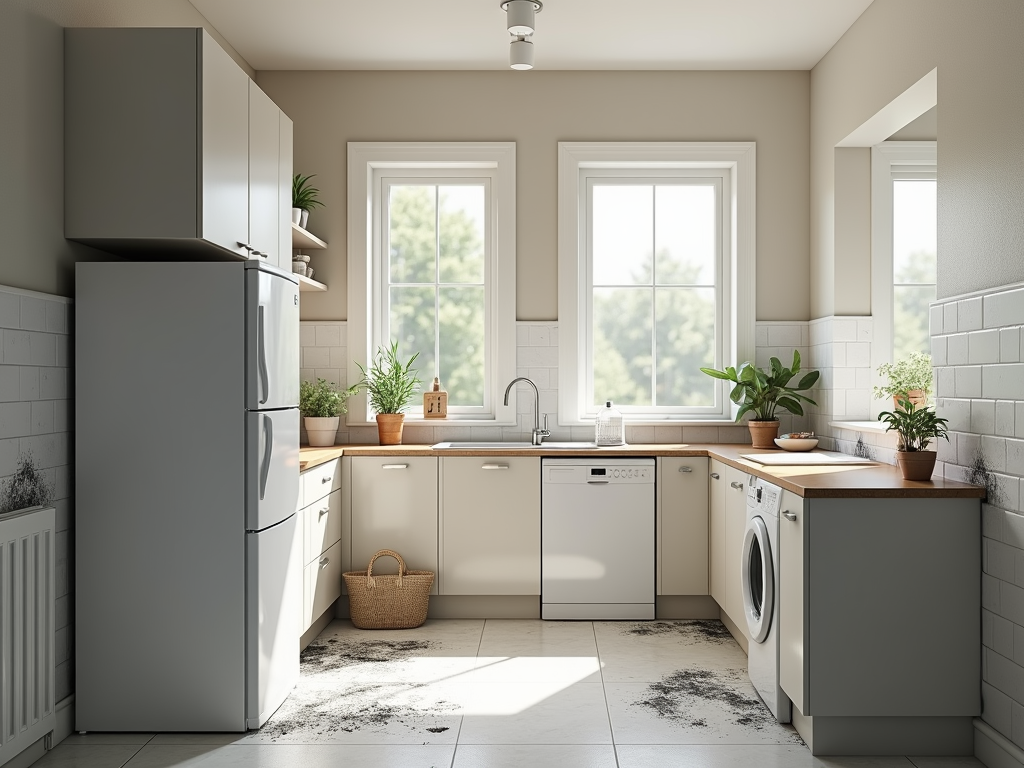
Mold has a sneaky way of showing up where you least expect it. You might think your home looks clean and fresh, but mold doesn’t care about appearances. It only needs a little moisture and a hidden spot to get comfortable. If you’re only checking the obvious places, there’s a good chance you’re missing a few trouble areas. Let’s talk about six often-forgotten spaces where mold can quietly grow without you even realizing it.
1. Inside Your Washing Machine
You might be surprised by this one. After all, washing machines are full of soap and water, so shouldn’t they be clean?
Not exactly. Front-loading washers, in particular, can trap moisture around the rubber door seal. If the door is often closed right after use, that damp environment becomes the perfect breeding ground for mold.
It’s important to regularly wipe down the door gasket and leave the door open after a load finishes. Allowing the interior to dry out completely makes a big difference in keeping mold at bay.
2. Behind Wallpaper
If your home has wallpaper, especially in bathrooms or kitchens, you’ll want to pay close attention. Mold can hide underneath it without showing any visible signs for a long time.
Steam from showers, cooking, and even regular household humidity can seep into the walls. When that moisture gets trapped between the wallpaper and drywall, mold gets a hidden, undisturbed place to grow.
Peeling edges, bubbling, or discoloration can sometimes be clues that a problem is lurking behind the scenes. In many cases, if mold is found once the wallpaper comes down, professional mold remediation is needed to fully remove it and stop it from spreading deeper into the walls.
3. Beneath Sinks and Inside Cabinets
It’s easy to forget about the space under sinks until something goes wrong. Leaky pipes or even minor condensation can create small puddles that sit unnoticed for weeks.
Inside those dark, closed cabinets, moisture builds up fast. Combine that with wood or particleboard shelving, and you’ve got a perfect storm for mold growth.
Here’s a smart routine to follow:
- Check connections – Make sure pipes and hoses are tight and free from drips.
- Feel around – Even if you don’t see a leak, feel for dampness on the wood or cabinet sides.
- Let it breathe – Occasionally leave cabinet doors open to allow airflow and dry out any trapped humidity.
- Use shelf liners – Waterproof liners help catch early signs of leaks before they soak into surfaces.
- Clean regularly – Wipe down the inside of cabinets to prevent grime buildup that mold loves to feed on.
4. Inside HVAC Systems and Air Ducts
Your heating and cooling system can quietly collect mold without giving off obvious signs. Dust, moisture, and dark conditions inside air ducts make them an ideal hiding place.
Mold spores can travel through vents and get spread throughout the house. Sometimes, that musty smell you notice when the AC kicks on isn’t just “old air” — it could be mold particles being pushed out.
If it’s been a while since your HVAC system had a professional inspection, it’s worth scheduling one. Regular maintenance doesn’t just keep the air cleaner; it also helps your system run more efficiently.
5. On Window Sills and Frames
Window areas are one of those spots that look innocent but often aren’t, especially during colder months; condensation can collect on the inside of windows and drip onto the sills and frames.
Wooden frames are particularly vulnerable. Even vinyl or metal frames aren’t immune if moisture consistently pools there.
It’s a good habit to:
- Check windowsills after heavy rain or extreme temperature changes.
- Wipe away any visible condensation daily during humid seasons.
- Use a small fan or dehumidifier nearby if you notice persistent moisture.
Keeping these areas dry is one of the simplest ways to prevent mold from starting.
6. Around and Under Carpets
Carpet might feel soft under your feet, but underneath, it can hide serious issues. If there has been any kind of spill, leak, or flood — even a small one — moisture can soak into the carpet padding. Once water gets trapped down there, mold can start growing within 24 to 48 hours.
Basements, in particular, are risky places for carpet. Even if the surface looks dry, dampness from the floor can slowly seep into the bottom layers.
Signs you might have a problem include:
- Musty or sour odors you can’t get rid of
- Discoloration or dark spots spreading under the carpet
- Increased allergy symptoms when spending time in certain rooms
When possible, use area rugs that can be easily lifted and cleaned, especially in areas prone to high humidity.
Keep Mold from Gaining Ground
Mold might be sneaky, but staying one step ahead doesn’t have to be complicated. Regular checks in these often-forgotten places can help catch small problems before they turn into big repairs.
The key is moisture control. Anywhere water sits or air doesn’t circulate well can eventually invite mold inside.
Simple habits like wiping down wet surfaces, checking hidden areas regularly, and keeping air flowing can go a long way. A little attention now saves a lot of trouble later.
If you stay aware of these hidden spots, you’ll keep your home cleaner, healthier, and much more comfortable all year long.
Leave a Reply