

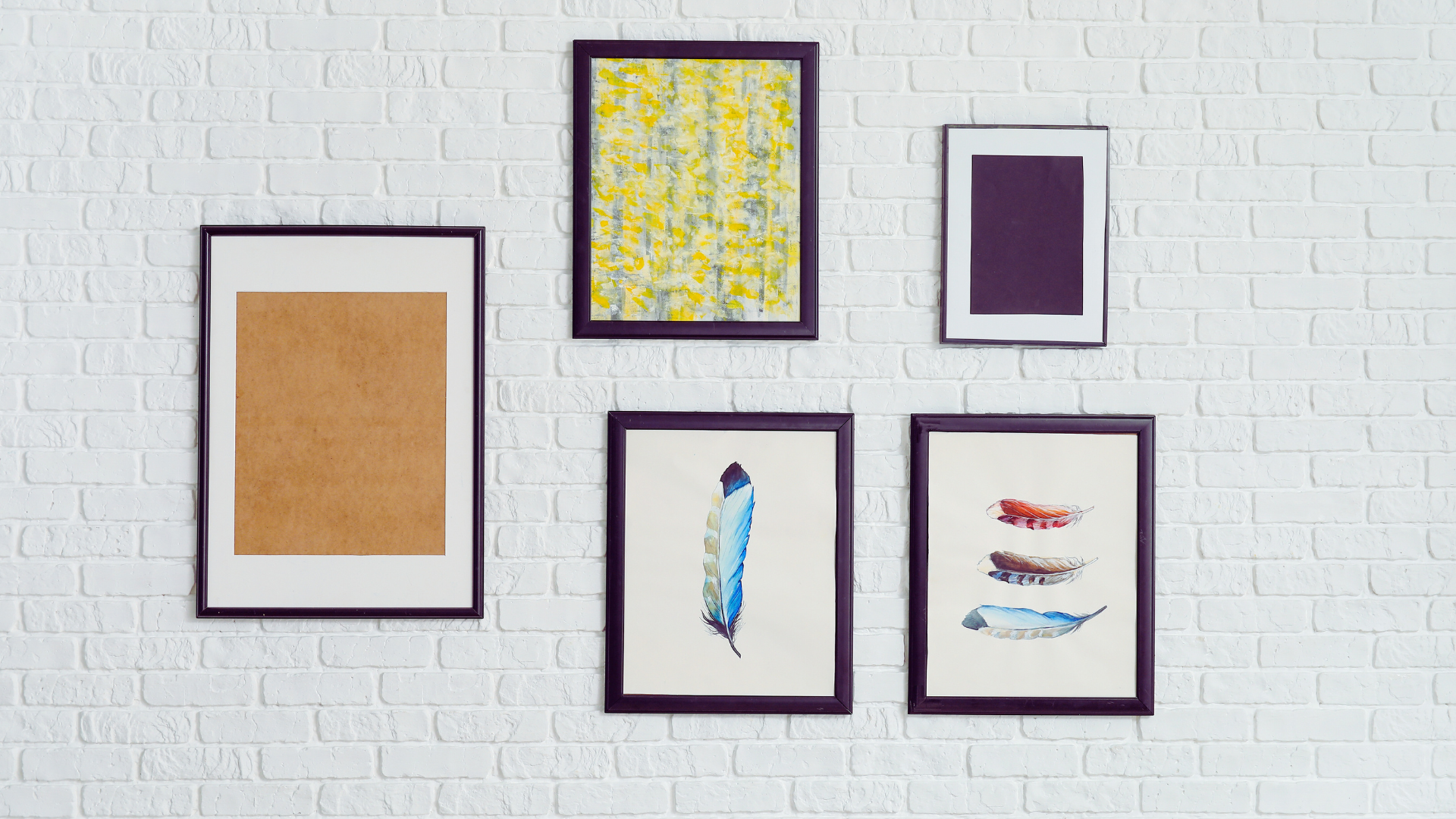
Creating an aesthetic gallery wall can transform any space into a visual delight. By thoughtfully selecting a mix of artwork, photographs, and decorative elements, one can curate a display that reflects personal style and interests. To successfully create a stunning gallery wall, begin by choosing a cohesive colour palette and theme that resonates with the overall décor of the room.
Planning the layout is crucial for visual appeal. It helps to experiment with different arrangements on the floor before committing to placements on the wall. Using a variety of frame styles and sizes can also add depth and interest, making the wall a focal point within the room.
Incorporating personal mementoes can make the gallery wall unique and even more meaningful. Whether it includes travel photos, favourite quotes, or pieces from local artists, these elements can tell a story and invite conversation. With careful consideration and creativity, anyone can design a gallery wall that is both aesthetically pleasing and personally significant.
Design Principles for an Aesthetic Gallery Wall
Creating an aesthetic gallery wall requires careful consideration of design principles. By selecting a coherent theme, a suitable colour palette, and an effective layout, one can achieve a visually appealing display.
Choosing a Theme and Colour Palette
A unified aesthetic begins with a theme that reflects personal style and surroundings. Consider themes such as minimalism, vintage, or nature. Selecting artworks that align with the chosen theme fosters harmony.
The colour palette plays a critical role in establishing mood. Soft pastels can create a serene atmosphere, while bold hues can inject energy. It is advisable to limit the palette to three to five complementary colours for cohesion. This approach ensures that each piece contributes to a well-rounded visual experience rather than detracting from it.
Gallery Wall Layout Considerations
The layout determines how the gallery wall will engage viewers. Several layouts can be effective, including grid, salon-style, or linear arrangements. A grid layout offers symmetry and order, whereas salon style introduces an eclectic, varied feel, allowing for creativity.
When planning the layout, consider spacing between the pieces. Typically, 2 to 5 inches between artworks works well. It is helpful to lay out the arrangement on the floor first or use paper templates to visualise the final look. This trial and error can prevent mistakes when hanging the art.
Selecting Artworks and Photographs
Choosing the right artwork and photographs is essential for a successful gallery wall. A combination of styles, such as abstract pieces, photography, and vintage prints, can enhance visual interest.
Incorporating different sizes not only creates dynamism but also allows for an engaging showcase. When selecting photographs, consider personal significance and emotional resonance. This can enhance the viewer’s connection to the wall. Mixing framed and unframed pieces can also add textures and layers, contributing to a more intriguing visual presentation.
The Installation Process
This stage focuses on how to arrange and hang selected artwork effectively. Installing a gallery wall requires careful planning and the right tools to achieve a polished look. Following these steps ensures a well-executed display.
Arranging Your Selection
Before hanging any artwork, a layout is essential. Begin by selecting a mix of framed art, mirrors, and other pieces that vary in size, colour, and style. A cohesive arrangement will create visual interest.
To start, lay everything out on the floor. This enables a clear view of the arrangement. Players can adjust their selection with ease until satisfied with the composition.
Using painter’s tape, outline the layout on the wall. This trial run helps identify spacing and alignment before committing to nails or hooks. Aim for a balanced look; group smaller pieces near larger ones to guide the eye.
Hanging and Securing Artwork
Preparation is key when hanging artwork. Ensure that all frames are equipped with appropriate hangers like D-rings, sawtooth clips, or wire. For heavier pieces, consider using wall anchors or toggle bolts, especially if installed on drywall.
Measure the height for each piece. A common rule is to hang artwork at eye level, typically around 1.5 metres from the floor. Use a level to ensure that the games are straight.
For various wall types, utilise suitable fixtures. Nails work well for lightweight frames, while Command strips offer a damage-free option for lighter pieces. In contrast, larger or heavier items may require screws for security.
Creating a Focal Point
A focal point brings coherence to the gallery wall. It can be achieved by featuring a larger piece of art, a bold mirror, or an eye-catching arrangement of frames.
Position the focal point at the centre or slightly above the centre line of the gallery wall. This draws attention immediately and sets the tone for the remaining displays.
Consider surrounding smaller pieces that complement the focal artwork. Group colours, themes, or styles to create a harmonious look. Regularly step back and assess the arrangement to see how everything works together visually.
Styling Tips for a Cohesive Look
Creating a gallery wall that is visually appealing requires careful consideration of textures, sizes, and themes. By thoughtfully incorporating different elements, one can achieve a harmonious aesthetic while reflecting personal style.
Incorporating Various Textures and Sizes
Mixing textures and sizes is essential for adding depth to a gallery wall. Incorporating materials like canvas, framed prints, and metal or wooden accents can create visual interest. Varying the sizes of artwork and photographs also contributes to a dynamic composition.
For example, large statement pieces can serve as focal points, surrounded by smaller works that complement them. This approach prevents the wall from feeling flat. It’s helpful to arrange items on the floor first to visualise the balance of textures and sizes before hanging them.
Choosing Frames and Spacing
Selecting the right frames is crucial for unifying the gallery wall’s appearance. Sticking to a particular material, such as wood or metal, can help create cohesion. Additionally, mixing widths and styles can add character—just ensure they all share a common element, like colour or finish.
Spacing matters, too. Maintaining consistent gaps, typically between 5-10 cm, helps achieve a cohesive look. Grouping frames closely around a central piece can create a more intimate feel, while wider spacing can give a more open and airy appearance.
Balancing Themes and Personal Style
A successful gallery wall reflects personal style while maintaining a consistent theme. This might include a focus on abstract art, personal photographs, or travel memories. Choosing a colour palette can significantly aid in creating unity.
It’s important to curate pieces that resonate personally but also fit within the selected theme. For instance, combining vintage frames with contemporary art can showcase a unique personality while ensuring harmony. Regularly evaluating the composition allows for adjustments and fresh additions, keeping the display both relevant and interesting.
Leave a Reply